A newly published scientific study provides the most detailed systematic archaeological analysis to date of the Ravne Underground Complex, one of the most intriguing subterranean structures in Southeast Europe.
The paper titled “Systematic Archaeological Investigation of the Ravne Underground Complex in Bosnia and Herzegovina,” authored by Dr. Semir Osmanagić, has been published in a peer-reviewed international scientific journal and presents the results of many years of field research conducted in Visoko.
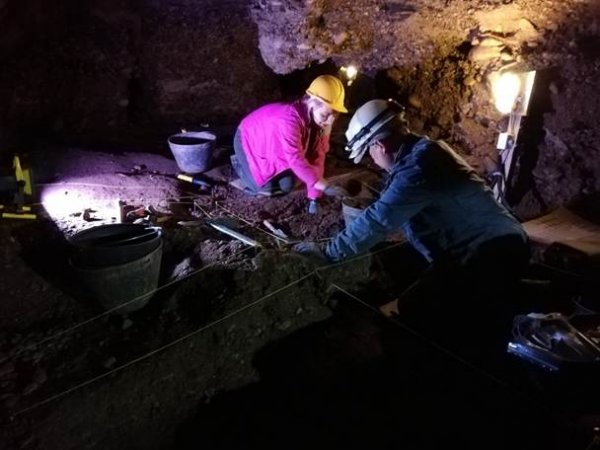
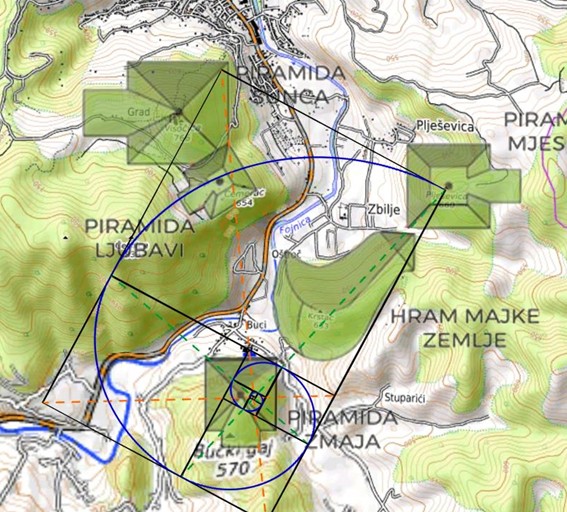
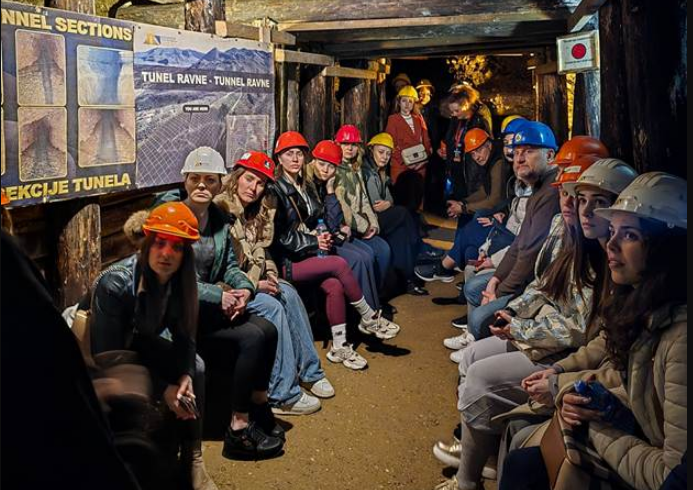
The study offers a comprehensive analysis of the Ravne tunnel complex, including archaeological mapping, documentation of the underground passage structures, stratigraphic layers, and analysis of discovered artifacts. Located in the Bosnian Valley of the Pyramids in Visoko, the complex consists of an extensive network of tunnels and chambers that have been the subject of continuous archaeological investigation and excavation since 2006.
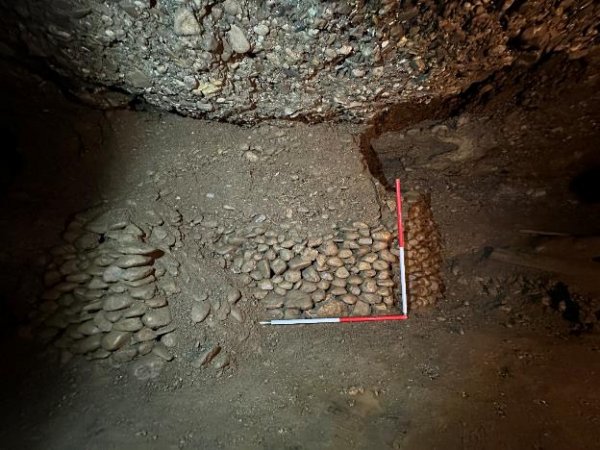
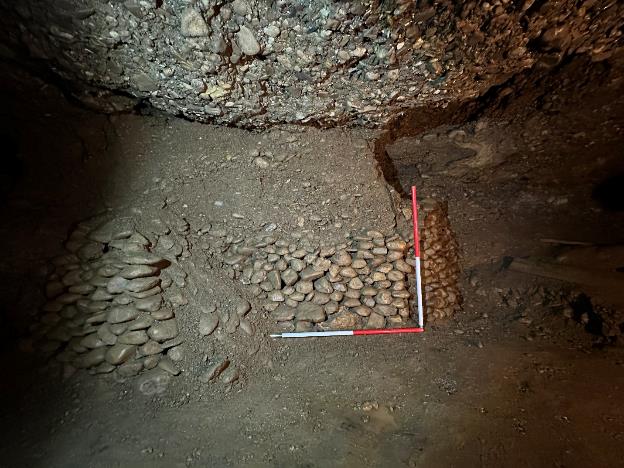
According to the research results, systematic excavation and clearing of the tunnels have revealed numerous features indicating intensive human activity within the underground environment. These include walls constructed from river cobblestones, blocked passages and chambers, as well as layers of material that testify to different phases of the tunnels’ use throughout history.
Various archaeological artifacts have also been discovered in the complex, including metal objects, ceramic fragments, and finds dating from the Neolithic, Roman, and Medieval periods. These discoveries suggest long-term and multi-layered use of the underground space.
A significant contribution of the research is the detailed mapping of the underground tunnel network, revealing the complex internal structure and considerable scale of this archaeological site. According to the author, such a systematic approach allows for a better understanding of the development and function of the Ravne underground complex within a broader historical and archaeological context.
“Systematic archaeological research of the Ravne underground complex makes it possible to document this site according to modern scientific standards and to analyse its findings within an interdisciplinary framework that includes archaeology, geology, and spatial analysis,” the author notes.
Today, the Ravne Underground Complex represents one of the most active archaeological research areas in the world. The results of this study provide a new scientific basis for further research, interpretation, and international academic discussion about this unique underground system.
The scientific paper is available at the following link:
https://www.scirp.org/journal/paperinformation?paperid=149998
Gallery